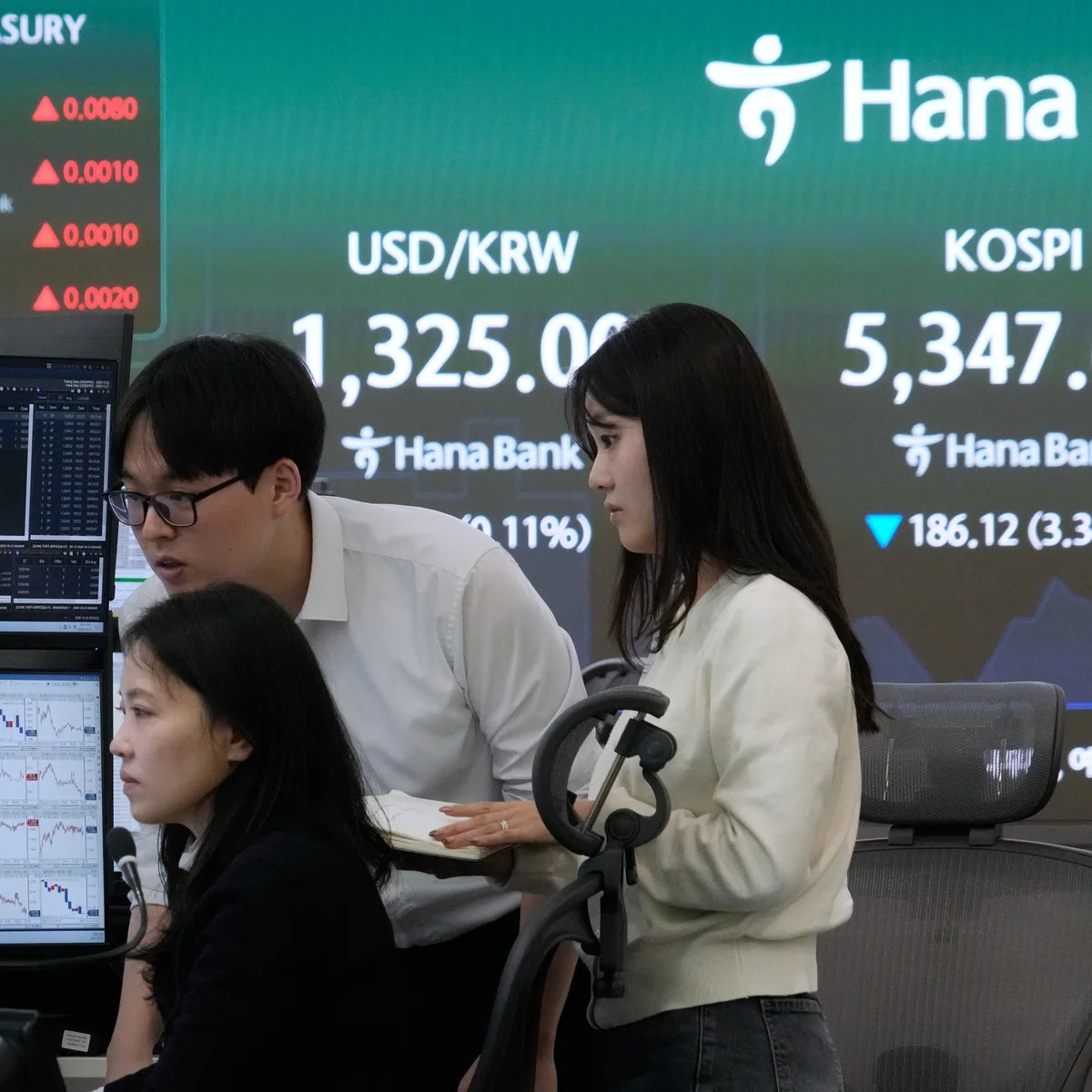
The global financial landscape is undergoing a significant transformation as artificial intelligence (AI) increasingly permeates various sectors, including the markets. The recent volatility in AI stocks has highlighted the need for regulatory scrutiny and adaptation in the financial industry.
AI Stock Volatility and Market Impact
A fresh wave of selling in AI stocks has sent ripples across global markets, prompting investors to reassess their positions. The sharp drops in AI-focused equities have raised concerns about the sector's sustainability and profitability. As a result, market participants are navigating a delicate balance between embracing AI's potential and managing associated risks.
The impact of AI stock volatility extends beyond the technology sector. Oil prices, for instance, have surged as global stocks wobble, influenced by the AI-induced market sentiment. This interconnection between sectors underscores the far-reaching effects of AI-driven market movements.
Regulatory Responses and Adaption
In response to the evolving market dynamics, regulatory bodies are taking proactive measures to ensure investor protection and market stability. Bitcoin Core, a pivotal component of the cryptocurrency ecosystem, has recognized the impact of AI on security protocols.
Bitcoin Core's recent security policy changes reflect a shift towards transparency in vulnerability disclosure. The organization acknowledges that keeping certain vulnerabilities secret may no longer provide adequate protection against AI-assisted bug hunting. This move aligns with the broader trend of adapting security measures to accommodate AI advancements.
Similarly, Ethereum, another prominent blockchain platform, has delayed the launch of its Glamsterdam Hoodi testnet due to security concerns. ChainSecurity, a cybersecurity firm, identified potential risks associated with Glamsterdam's gas changes, prompting Ethereum to prioritize security over immediate deployment.
The regulatory actions taken by Bitcoin Core and Ethereum demonstrate a commitment to ensuring the integrity and resilience of their respective networks. By addressing security challenges posed by AI, these organizations aim to foster trust and stability within the digital asset space.
As AI continues to shape market conduct and investor behavior, regulatory bodies and market participants must remain agile and responsive. The ongoing dialogue between regulators, developers, and investors is crucial for navigating the complexities of AI-driven markets and safeguarding the interests of all stakeholders.